The short answer
Making the frames of a brand film now costs very little: the compute behind a 30-second cinematic spot runs $30 to $360. What still costs money is taste, continuity and brand safety, so the value of a studio has moved from production capacity to judgement.
For most of advertising's history, the expensive part of a film was the frame itself. Cameras, crews, sets, permits, days. A 30-second spot for a national brand in the US still runs $250,000 to $500,000 in production. In India, a traditional brand film costs anywhere from ₹5 lakh to ₹75 lakh and takes six to ten weeks.
That part is ending. The raw compute behind a 30-second cinematic spot made with today's video models costs somewhere between $30 and $360. Kalshi's NBA Finals ad in 2025 was made by one filmmaker in two days for about $2,000.
So why isn't every brand film cheap now? Because compute was never the hard part. It's under five percent of what a finished film takes. The rest is taste: knowing which shot to keep out of the twenty you generated, how to hold a face and a fabric steady across five cuts, when a product label needs a real camera, and when a world is better built than shot. Hands, on-screen text and continuity are still where these models break, and fixing them is craft, not software.
The shift
What changes when the frame gets cheap?
Who gets to make films. A brand that could afford one hero film a year can now afford a film a week. That shifts the job from one big campaign to an ongoing conversation with an audience.
What a studio is for. When capacity stops being scarce, studios organised around capacity struggle. The value moves to judgement, speed of thinking and brand safety. The biggest holding companies are already consolidating production onto AI platforms. Mid-size brands and agencies need someone who can do the same work with a director's eye.
What the entertainment business can afford. Music videos, micro-dramas and creator-led originals that never made economic sense now do. One of ours, a music video, crossed 1.2 million views.
How we work
How does a studio work inside the shift?
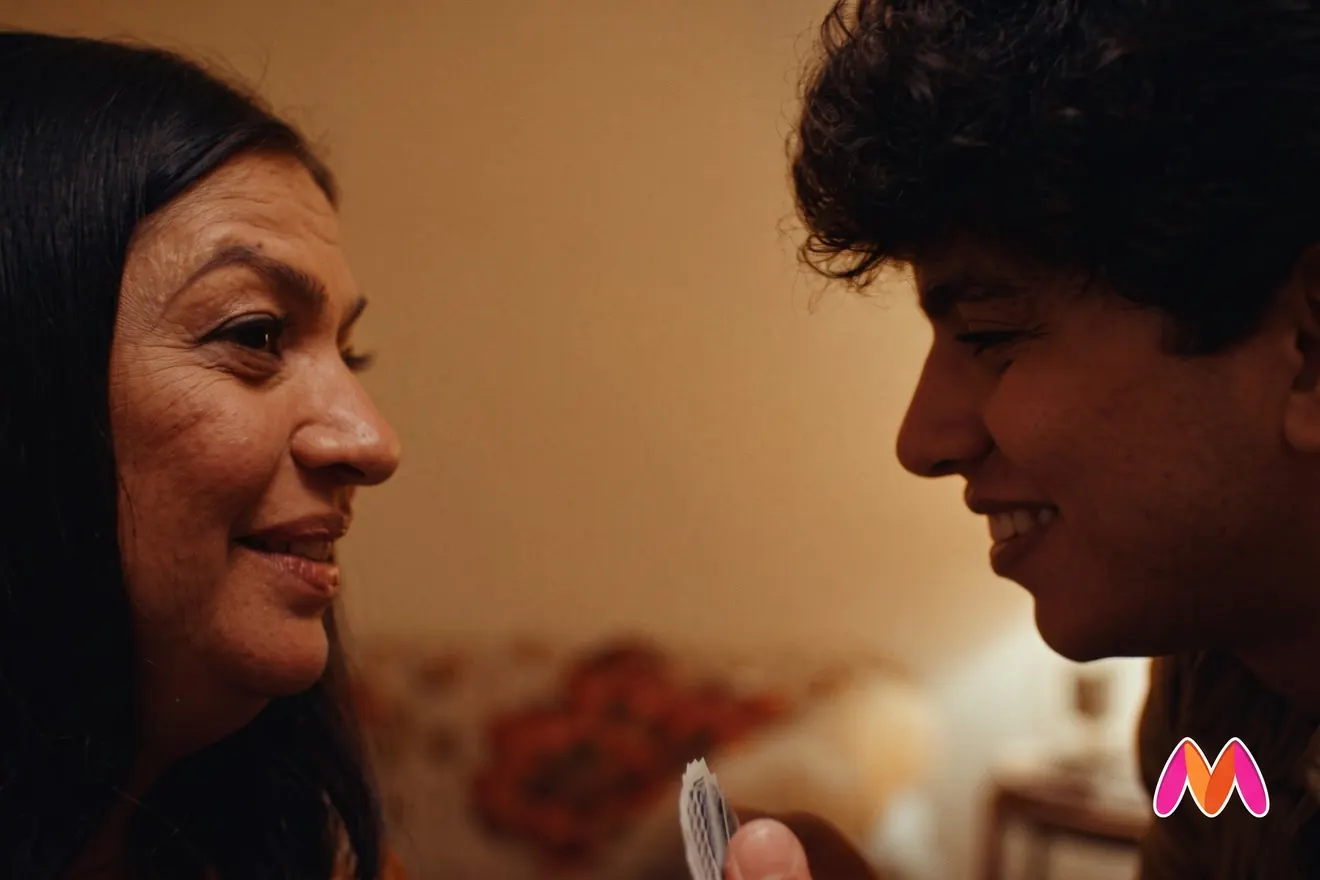
At 24&16 we decide shot by shot. Every storyboard marks which frames we film and which we build. Real cameras and real people where the story needs a human truth; new tools where they save weeks. That's how a Mother's Day film for Myntra went from idea to first cut in under five days, and how we've made films for more than 50 brands in our first year.
The economics of film production are about to look nothing like they do today. The people who adapt first won't be the biggest studios. They'll be the ones with the best eye.
Sources: NPR: an AI video ad is making a splash (the Kalshi NBA Finals ad, June 2025); production cost ranges from production-house guides; compute cost derived from published model API pricing (September 2026).