The short answer
AI film production is making a brand film with AI models inside a real production process: a script, a storyboard that marks which shots are filmed and which are generated, a director choosing takes, and an edit, sound mix and colour grade at the end. The model makes frames. The process makes the film.
Ask most marketers what AI film production is and they'll describe a tool: type a prompt, get a clip. That's the smallest part of it. A clip isn't a film, the same way a photo isn't a campaign.
A brand film made with AI goes through the same stages as any other film. The difference is what happens inside each stage, and how much faster the whole thing moves.
The definition
What does an AI film production actually involve?
Script and storyboard. The story comes first. Every frame on the storyboard is then marked one of two ways: shot on a real camera, or built with AI. A human face that has to carry a feeling is usually filmed. A world, a product in an impossible place or a crowd is usually built.
Reference frames. Most cinematic studios generate a still frame first and animate from it, rather than asking a model for video straight from text. The still lets the director lock the look, the light and the faces before anything moves.
Generation and selection. Each shot is generated many times and a director picks the take, just as an editor picks from rushes. Most of what gets generated never makes the cut.
Finishing. Edit, sound design, music, colour, and the product details. Models still struggle with hands, on-screen text and product labels, and with keeping wardrobe and light consistent across five or more shots. Those get fixed by people, in post.
The distinction
How is it different from using an AI video tool?
A tool gives one person a faster way to make one clip. A production gives a brand a finished film it can put its name on: on brief, consistent from the first shot to the last, and checked before it ships. The compute behind a 30-second spot is under five percent of what a finished film takes. The rest is direction, selection and craft, which is why two films made with the same model can look nothing alike. We wrote about that cost shift in The cost of a frame is collapsing.
There's a second difference. A new video model has arrived roughly every five weeks over the past year, and no single one leads on everything. A studio's process has to work with whichever model is best for each shot, and a tool locks you into one.
The scale
How does one film become a whole campaign?
Once a film's look, characters and world are set, the expensive decisions are made. The cutdowns come out of the same set: 6, 15 and 30 seconds, vertical and horizontal, other languages, other markets. That's where the time saved really shows. It's also why brands that work across countries can run one campaign everywhere; see how we work with brands in the US, the UK and the GCC.
Why now
Why does this matter for a brand today?
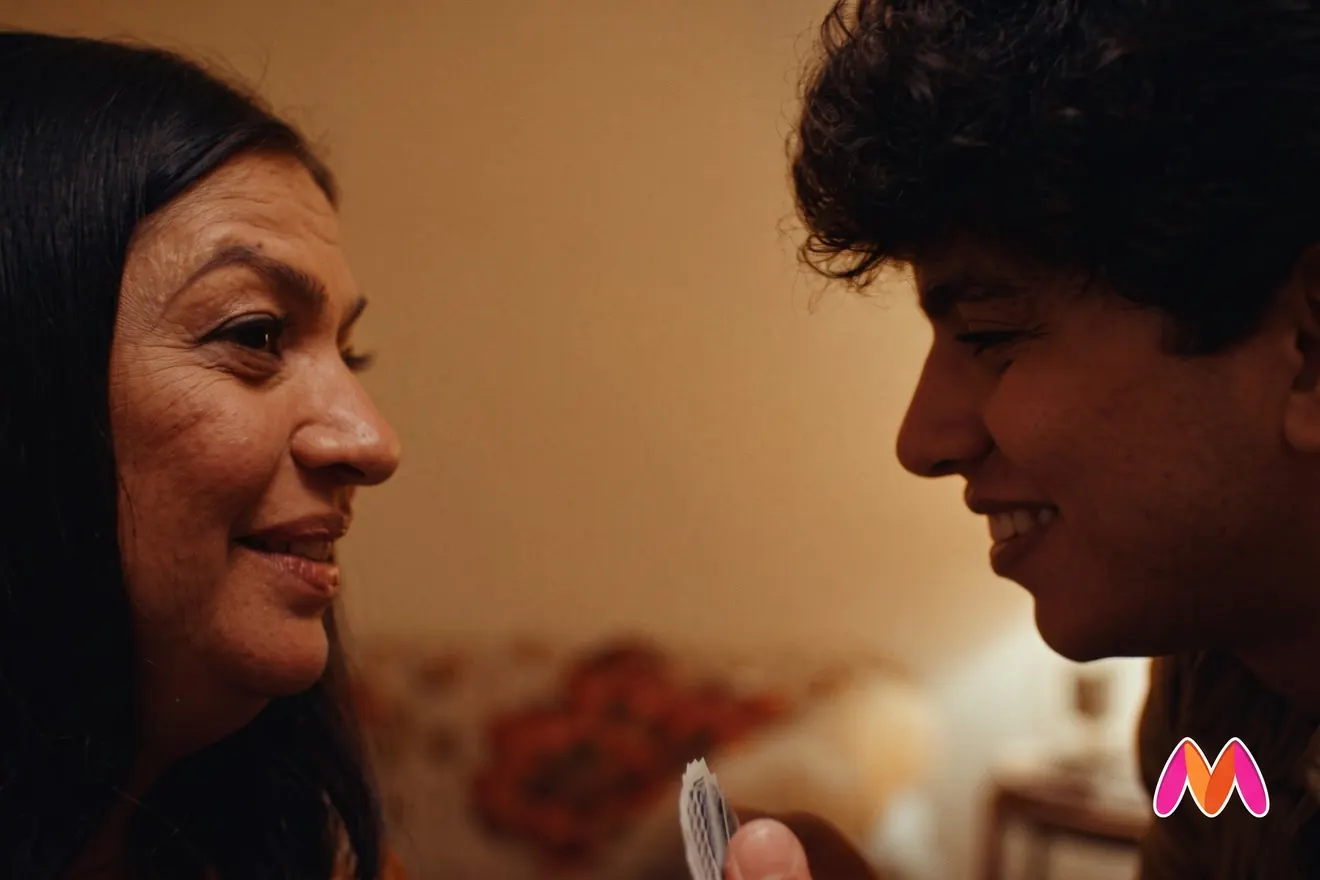
Because turnaround has changed. Work that took weeks now takes days: our Mother's Day film for Myntra went from idea to first cut in under five days. And because ownership has changed too. The US Copyright Office found in January 2025 that purely AI-generated material can't be copyrighted, while human selection, arrangement and editing can be. A film made through a real production process, with a record of the human choices in it, is a film the brand can own.
If you're comparing studios, ask to see the storyboard, not just the reel. It shows you whether you're buying a process or a prompt.
Sources: US Copyright Office, Copyright and Artificial Intelligence (Part 2: Copyrightability, January 2025); Model limits and release pace: 24&16 research study, September 2026, from published model documentation and public leaderboards.